

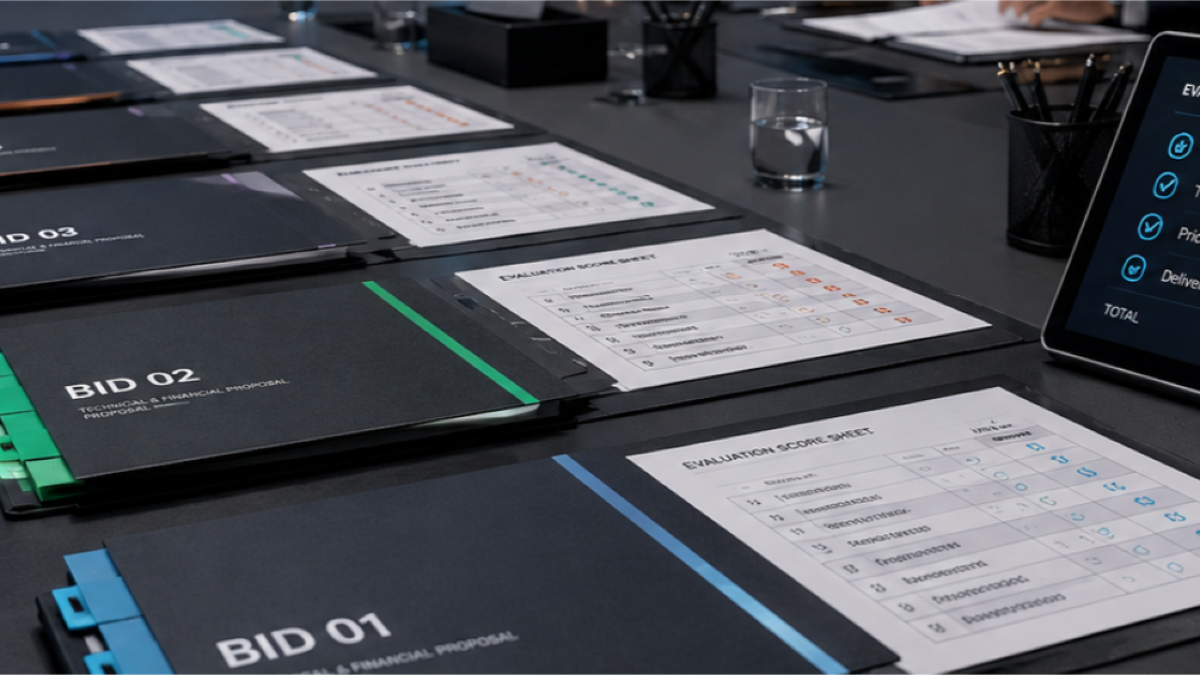
Public procurement in Cyprus is frequently perceived as a rigid and formalistic process driven primarily by the lowest price. In practice, it is governed by a complex legal framework shaped by both national legislation and EU law.
This article addresses ten common misconceptions, emphasising that contracts are awarded on the basis of the “most economically advantageous tender,” which incorporates both price and quality considerations. It further clarifies that minor administrative omissions do not necessarily result in exclusion, while contracting authorities remain bound by the principles of proportionality, transparency and equal treatment. Review procedures serve as important safeguards, and contract modifications are strictly regulated to preserve competition. The framework also encourages the participation of SMEs and allows flexibility in bidding structures.
Overall, public procurement constitutes a dynamic legal mechanism aimed at safeguarding competition and ensuring the efficient use of public funds.